Shelter-in-place or stay-at-home orders have been prevalent throughout the United States since March 2020 as state and local governments have sought to protect their citizens from the spread of the COVID-19 virus while at the same time reopen their economies in accordance with phased reopening plans. Georgia and Illinois extended their state-wide orders and/or the duration of the current phase of their reopening plans. While Michigan, Oregon, New York and Pennsylvania. have eased restrictions, mask requirements and/or advanced to the next phase of their reopening plan.
Our latest Asia Pacific Work Health and Safety Update 2021 is now available. We have developed this guidance as a practical resource to highlight the latest OHS developments in the region. This latest update includes: Key OHS developments over the last 12 months in 11 jurisdictions in Asia Pacific; 2–3 key emerging health and safety issues businesses should be aware of in each Asia Pacific jurisdiction; Possible penalties for directors/officers in relation to breach of health and safety rules; Key Asia Pacific Work Health and Safety contacts;
In a 8-1 decision issued last week, the U.S. Supreme Court seemingly brought an end to a 15-year lawsuit brought against Nestlé and Cargill by Malian citizens who claim to have been enslaved as children on the companies’ cocoa plantations located in the Ivory Coast. Specifically, the plaintiffs alleged that Nestlé and Cargill knew the cocoa plantations used child labor, and aided and abetted the human rights abuses that they and other child laborers endured by providing financial and operational support to the plantation farmers.
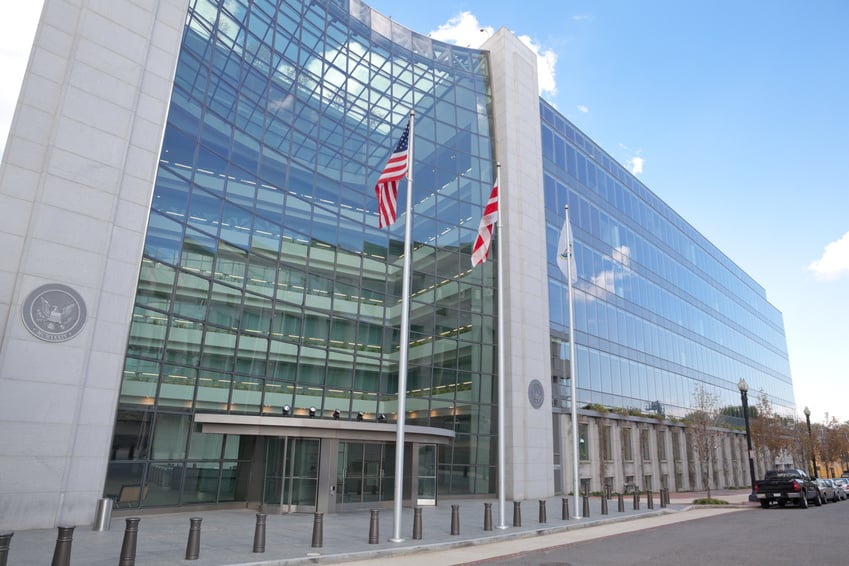
On June 23, 2021, the Department of Labor published in the Federal Register a notice announcing public availability of an updated list of goods—along with countries of origin—that the Bureau of International Labor Affairs has reason to believe are produced by child labor or forced labor in violation of international standards.
In light of recent social justice movements, businesses are increasingly aware of issues pertaining to diversity and inclusion, making it essential for employers to take proactive steps to address inequality in the workplace. Our presenters explore how to set up special programs under human rights legislation, and discuss best practices for advancing substantive equality in Canada.
The Court of Appeal has upheld a High Court decision that both the employer and host employer were vicariously liable for two seconded employees’ alleged dishonest assistance and knowing participation in fraudulent trading. The investment bank trader employees were so much a part of the work, business or organisation of both their employer and the host company to which they were seconded that it was just to make both employers vicariously liable.
The Court of Appeal has ruled that the lack of an interim relief remedy for discrimination dismissal claims does not breach the European Convention of Human Rights (ECHR). The Court of Appeal has confirmed that interim relief is not a remedy that is available to claimants bringing claims of discriminatory dismissals.
From November 2020 to April 2021, there have been three reported decisions by the High Court and Court of Appeal involving tax controversies with the Inland Revenue Authority of Singapore. Two of these decisions involved disputes under the Income Tax Act. The final case relates to a decision concerning the assessment of property tax, and the interpretation of certain terms under the Property Tax Act.
On 11 June 2021, the Department of Employment and Labor in South Africa issued guidance on vaccination policies in the workplace, in the form of the amendment to the Consolidated Direction on Occupational Health and Safety Measures in Certain Workplaces. Employers seeking to implement a mandatory vaccine policy must undertake a risk assessment by 2 July 2021.
Shelter-in-place or stay-at-home orders have been prevalent throughout the United States since March 2020 as state and local governments have sought to protect their citizens from the spread of the COVID-19 virus while at the same time reopen their economies in accordance with phased reopening plans. Georgia extended their state-wide orders and/or the duration of the current phase of their reopening plans. While Maryland, Massachusetts, New York, Ohio, Vermont and West Virginia. have eased restrictions, mask requirements and/or advanced to the next phase of their reopening plan.