Sexually transgressive behavior in the workplace — until recently, it was taboo to talk about it. However, overnight, that taboo was broken.
An influx of high-profile whistleblowing cases have made headlines in recent years, and claims (and awards) are on the rise. At the same time, more defined and greater protections for whistleblowers are coming into play in the US, UK and European Union. It’s essential that multinational employers be aware of the whistleblower regulations proliferating across the globe and the notable differences between regimes.
Since the inception of the European Union’s Whistleblowing Directive in 2019, we have seen greater scrutiny of whistleblowing practices and a number of key jurisdictions beyond Europe upgrading their whistleblowing laws. Read on for a summary of the latest developments in whistleblowing laws across the globe.
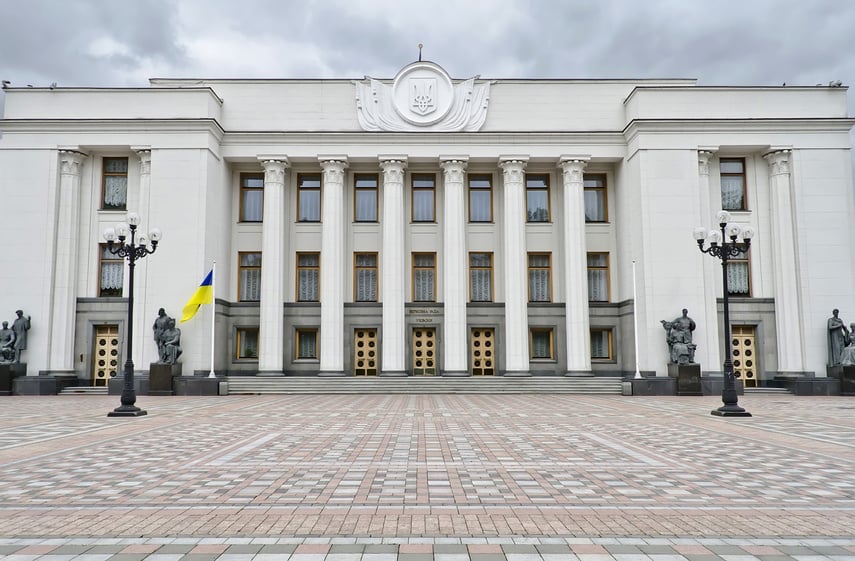
We’re pleased to announce the publication of the second edition of Ukrainian Laws in Wartime: Guide for International and Domestic Businesses. This guide provides a brief overview of the key features of such wartime legislation. It is structured as a set of responses to the most common questions raised and considered by international and Ukrainian businesses these days.
Amendments to the Employment Act 1955 (“Act”) have been long overdue. On 30 March 2022, the Employment (Amendment) Bill 2021 was passed in Dewan Negara (Senate). The amendments have not come into force and there is currently no indication as to when this might happen.
The practice of ‘fire and rehire’, where an employer dismisses a worker and then re-engages them on different (sometimes perceived as less favorable) terms, is a current hot topic in UK employment law. The government has, to date, declined to legislate on the issue, although it stressed that the practice should only be used as a last resort. On 29 March 2022, the government announced that it would introduce a new statutory code on the practice, which will also detail how employers should hold fair, transparent and meaningful consultations on proposed changes to terms of employment.

In this latest update of the Global Equity Matrix, we summarize the key issues for share-based awards and cash awards and cover tax and securities, exchange control, labor law and data privacy considerations for such awards in 50 countries.
The Minister of Employment and Labour in South Africa has recently published three important legal developments affecting South African employers and employees – the Draft National Labour Migration Policy and Employment Services Amendment Bill, the Code of Practice for Managing Exposure to Sars-CoV-2 in the Workplace 2022, and the Code of Good Practice on the Prevention and Elimination of Harassment in the Workplace.
The Singapore government has released White Paper On Singapore Women’s Development on 28 March 2021, the first whole-of-society review of women’s development. Acting on data collected and analysis of feedback on areas where women still face barriers and challenges, the White Paper sets out 25 collective action plans in five main areas to advance women’s development. Employers should note that the first of these areas concerns providing equal opportunities in the workplace, and will involve: strengthening laws to address unfair and discriminatory employment practices, and developing advisories and guidelines to encourage adoption of flexible work arrangements.
The Presidents of the Employment Tribunals (England & Wales and Scotland) have issued Presidential Guidance updating the Vento bands for damages for injury to feelings in discrimination claims.